Picture this: two people walk into an auction. Same item. Same budget. One pays in cash, and the other puts it on a card. What do you think? Who bids higher?
Yes, you guessed it right. The one with the card wins by nearly double.
That is not a fluke; that is your brain doing exactly what it was designed to do: avoid pain. The act of payment, it turns out, is one of the more underrated pain events in human psychology.
For decades, marketers have treated payment as a mechanics problem. Behavioral research says it is also a psychology problem. When people pay with cash, the brain treats the loss as vivid and immediate. When they pay with cards or digital methods, the loss feels softer, more distant, easier to ignore, almost like it hasn’t quite happened yet.
That difference matters far beyond retail. In SaaS and B2B tech, every extra field, hidden fee, pricing mystery, or “let’s jump on a demo first” step adds friction at the exact moment intent is strongest. The result is not just a lower conversion rate. It is a higher pain signal — one that can quietly push buyers away before they ever reach commitment.
What the research actually found
In 2001, behavioral economists Drazen Prelec and Duncan Simester ran a deceptively simple study. They asked people to bid on tickets to sold-out sporting events; some by paying cash, others by credit card. The credit card group bid significantly more. In some conditions, nearly twice as much.
Strangely, the payment method alone changed willingness to pay. Not the product. Not the pitch. The payment method.
Let’s talk about neuroscience now. A later study found greater activation in the insula, the brain region associated with pain, disgust, and negative emotion, during cash payments than card or smartphone transactions. The “cash hurts” story is not a catchy metaphor. It is, literally, what happens inside someone’s skull when they hand over physical money.
Prelec and George Loewenstein had already given this phenomenon a name: payment coupling. The tighter the mental connection between payment and consumption, the more painful it feels. The looser the connection, the easier it becomes to spend.
Why cards feel easier and why "pay later" is a pain management product
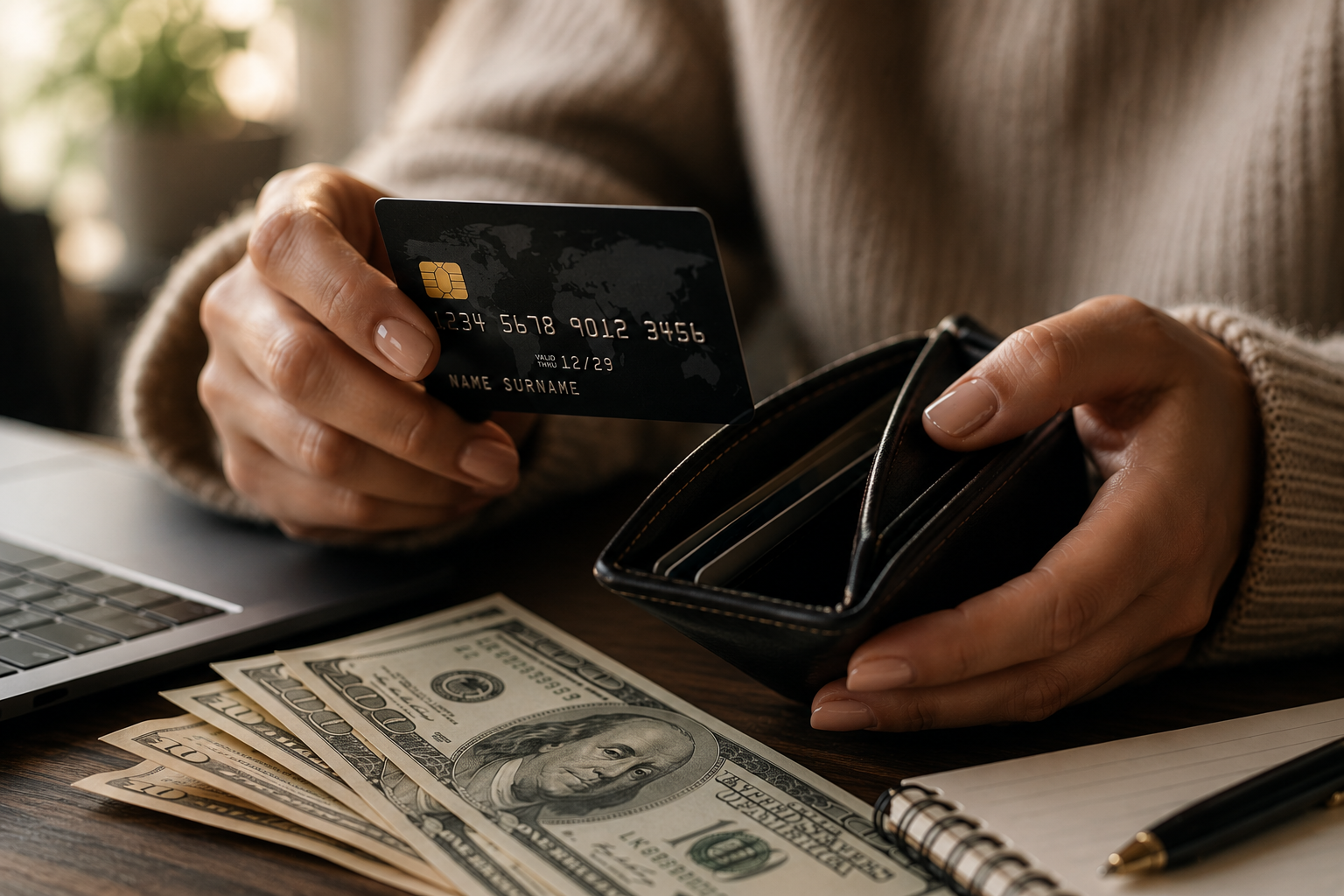
Cards work by decoupling. You receive the product now; the emotional cost of paying arrives later, bundled quietly into a statement you will deal with at some unspecified future date. Cash does the opposite; it forces a direct loss at the exact moment of purchase, making the expense feel startlingly real.
This is why “pay later” products are so powerful. Strip away the financing angle, and what you are really selling is pain management. The same logic explains why subscriptions tend to feel less painful than one-time purchases: the mind spreads the sting over time, diffusing it until it barely registers.
There is a reason your gym membership rarely makes you flinch. You stopped feeling it months ago.
B2B version of pain
Here is where it gets interesting for anyone selling software or tech services.
B2B buyers are not immune to these effects because they are “rational.” They are human. Fortunately, or unfortunately, humans in buying committees carry the same insula, the same pain avoidance wiring, the same desire for commitment to feel safe rather than scary.
So, when a buyer lands on your pricing page and finds a wall of “contact sales for a quote,” something quiet happens. The purchase starts feeling more effortful. More uncertain. Uncertainty becomes its own kind of pain – vague, low-grade, and surprisingly persuasive at talking people out of action.
A useful mental model: every step between “I want this” and “I paid for this” is a chance for pain to enter the journey. Visible price, simple process, immediate action: pain stays manageable. Opaque pricing, three approval loops, a custom quote, and a follow-up call: pain accumulates, and accumulating pain has a way of becoming a decision: not yet, or not at all.
Recent checkout research puts hard numbers on this. A 2025 software checkout report found that 82% of vendors experience double-digit cart abandonment, and 47% lose at least 25% of prospective orders, with clear pricing and terms ranking among the most important buyer priorities. That is not a UX problem. That is revenue quietly walking out the door.
What Ariely adds, and why free trials can go wrong
Dan Ariely made the same point for a mainstream audience in Predictably Irrational: people do not evaluate money purely by amount. They evaluate it by emotional experience. When payment feels abstract, spending rises. When payment feels concrete, restraint returns.
Free trials live at this intersection. Done right, they are bridges, letting buyers experience value before they feel the pain of paying. Done badly, they are traps: surprise charges at month’s end, cancellation flows buried five menus deep, and a brand that suddenly feels adversarial.
Neuroscience would predict exactly what happens next: a spike in insula activity, and a very memorable bad experience. Word of mouth has an insula too, in a sense.
What marketers should actually do about this
The lesson is not “make buying effortless at any cost.” It is “respect the buyer’s nervous system.” Clarity and friction are not the same thing. Buyers should feel informed, not manipulated, and those are very different experiences even when the information is identical.
Practically, this means:
Show pricing early and in plain language. Opaque pricing protects sales teams from low-intent traffic while taxing high-intent buyers who just want to know if you are worth considering. The math rarely favors mystery.
Compress the steps from intent to action. One-click checkout works because it collapses the decision into a single, low-stress moment — minimum pain, maximum momentum.
Make trials easy to start and easier to exit. The exit ramp is not the enemy of conversion. It is the thing that makes entry feel safe.
Remove surprise fees and vague “contact us” walls where possible. Surprises are excellent for birthdays. In billing, they are trust killers.
Offer modern payment options. Missing someone’s preferred payment method is a small friction that lands as a loud signal: this process was not built with you in mind.
Strategic takeaway
Price is not only a number. It is a feeling, one that your funnel either manages well or amplifies badly.
The best funnels are not the flashiest ones. They are the ones that remove unnecessary pain without hiding reality. In a world where buyers can benchmark you against three competitors in the time it takes to load your “request a demo” page, the company that makes commitment feel simplest often wins.
Not because buyers are lazy but because they are human.
Instinctively, human brains, without exception, prefer to avoid pain.
